How to Repair Old Photo Scratches and Spots
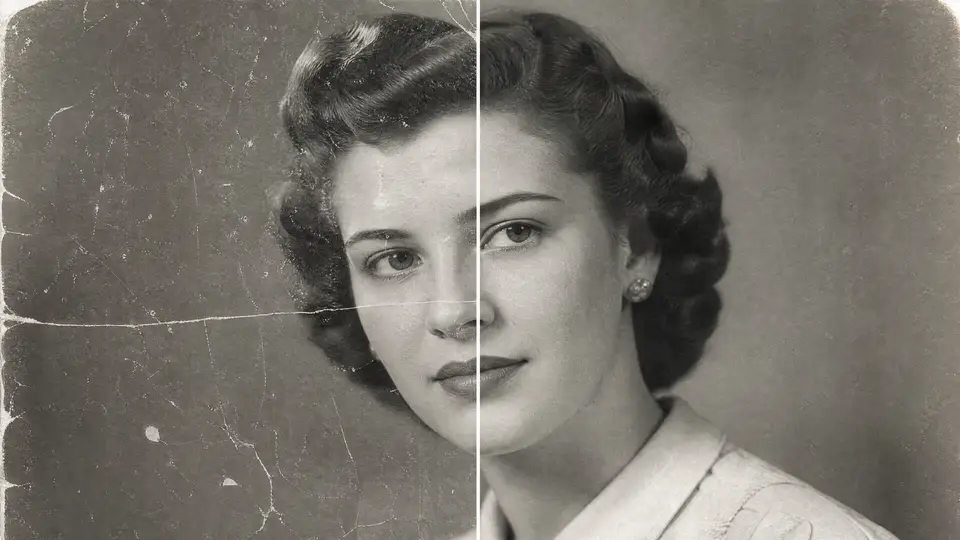
Old photos often survive as scanned files before they are fully repaired. Even after digitizing a print, scratches, tears, dust, spots, and fold marks can remain visible. The best repair workflow is to start with a clean scan, restore broad damage, then review important details before saving a final copy.
For most old family photos, start with Imgkits photo restoration. It is designed to repair age-related photo damage and make old images easier to view, share, and archive.
What Kinds of Old Photo Damage Can Be Repaired?
- Scratches: thin marks caused by handling, storage, or scanning.
- Tears and cracks: larger breaks in the paper or printed surface.
- Dust and spots: small marks that distract from faces and details.
- Fading: weak color, low contrast, or yellowed paper.
- Soft details: blur or low clarity from the original scan.
How to Repair Scratches, Tears, and Spots on an Old Photo
- Scan or photograph the old print as clearly as possible.
- Open the photo restoration tool.
- Upload the damaged photo.
- Let the tool repair visible age damage and improve the image.
- Review faces, clothing, backgrounds, and edges for natural results.
- Download the restored copy and keep the original scan unchanged.
When to Use a More Careful Repair Workflow
Some damage is simple, but large tears or missing facial details need more attention. AI restoration can provide a strong first pass, but you should always review important areas before printing or sharing the result.
| Damage | Suggested Workflow | Review Needed |
|---|---|---|
| Small scratches and dust | Photo restoration | Low |
| Faded color or contrast | Photo restoration, then optional enhancement | Medium |
| Tears through faces or hands | Restore a copy and inspect manually | High |
| Missing corners or background patches | Restore first, then repair selected areas if needed | Medium |
Tips Before You Upload
- Use the highest-resolution scan available.
- Avoid glare when photographing a printed photo.
- Keep the photo flat and evenly lit.
- Do not crop tightly before repair unless the border is useless.
- Save a backup of the original file.
FAQ
Can AI repair scratches on old photos?
AI restoration can often reduce or remove small scratches, dust, spots, and light tears. Severe damage should still be reviewed carefully.
Should I use restoration or object removal?
Use photo restoration for old-photo damage such as scratches, fading, tears, and spots. Use object removal or inpaint-style tools only when you need to fill a specific selected area.
Can I restore a photo from a phone picture?
Yes, but the result depends on the quality of the phone photo. Use even lighting, avoid reflections, and keep the image sharp.
Final Thoughts
Repairing an old photo starts with preserving the original. Work from a clean scan, restore a copy, review important details, and save the final version separately so the original file remains available for future edits.